
Homelessness: More Than Meets the Eye
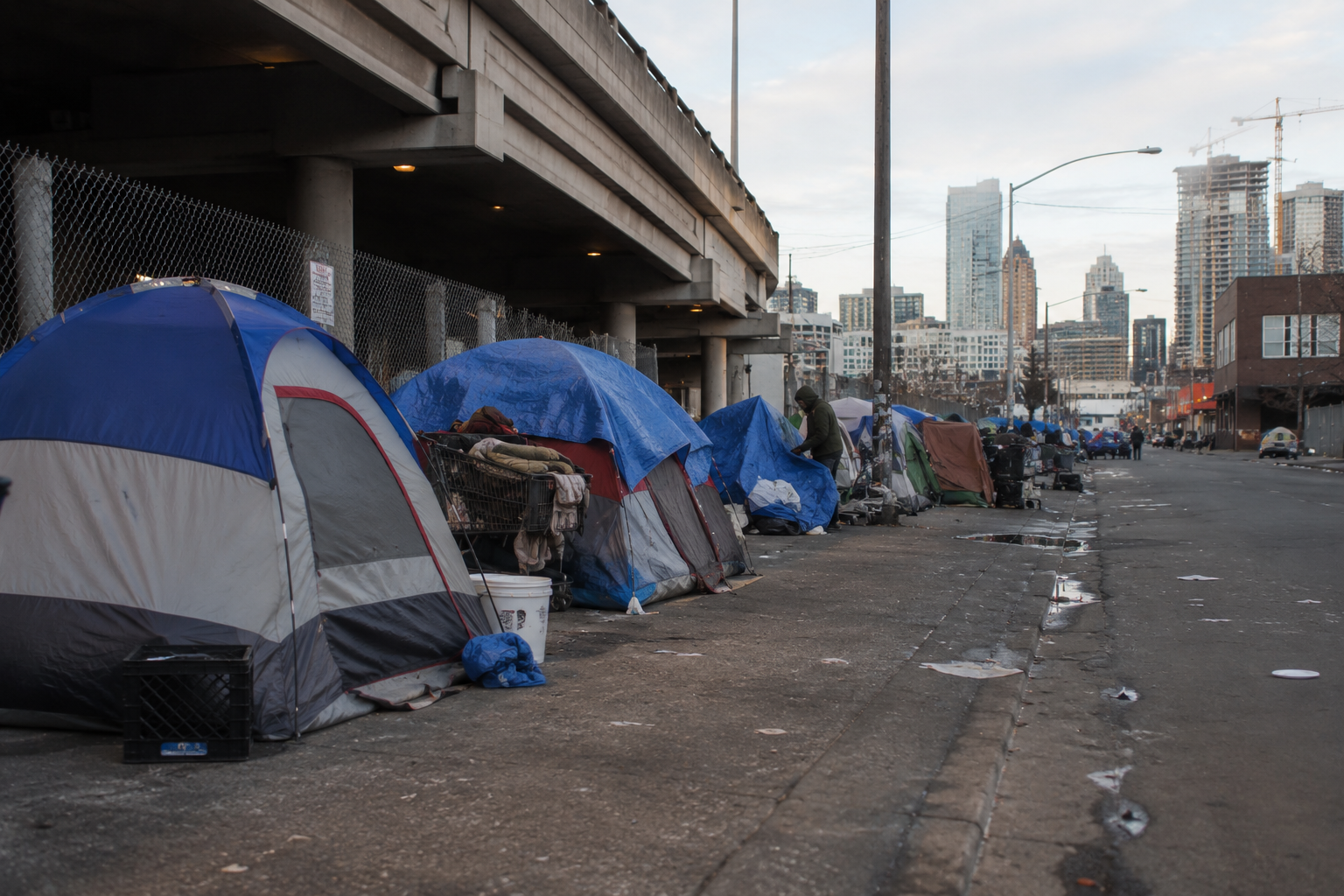
Walk past a person experiencing homelessness and, for many, the assumption may be, “They got there by their own doing.” The reality is often far more complex.
Every person experiencing homelessness has a unique story—one often marked by hardship, trauma, and circumstances few could imagine. Homelessness is rarely caused by a single event or personal failure. Instead, it is usually the result of a complicated mix of personal, family, economic, and systemic challenges.
Individual factors such as job loss, lack of education or workforce training, financial hardship, mental health struggles, physical disabilities, or substance use can contribute to housing instability. Relationship breakdowns, divorce, or the loss of a support system may also leave someone vulnerable.
Family experiences can play a significant role as well. Domestic violence, sexual or physical abuse, neglect, family conflict, or growing up in unstable housing environments can create lasting trauma and increase the risk of homelessness later in life.
For many, homelessness stems from circumstances beyond their control. Individuals transitioning out of foster care, military service, hospitals, or correctional facilities often face significant barriers when reentering society. Without stable housing, support networks, transportation, employment opportunities, or affordable housing options, the path forward can be overwhelming.
The rising cost of housing, stagnant wages, and limited access to healthcare and supportive services have only deepened the crisis. A single medical emergency, unexpected layoff, or family tragedy can place someone at risk of losing everything.
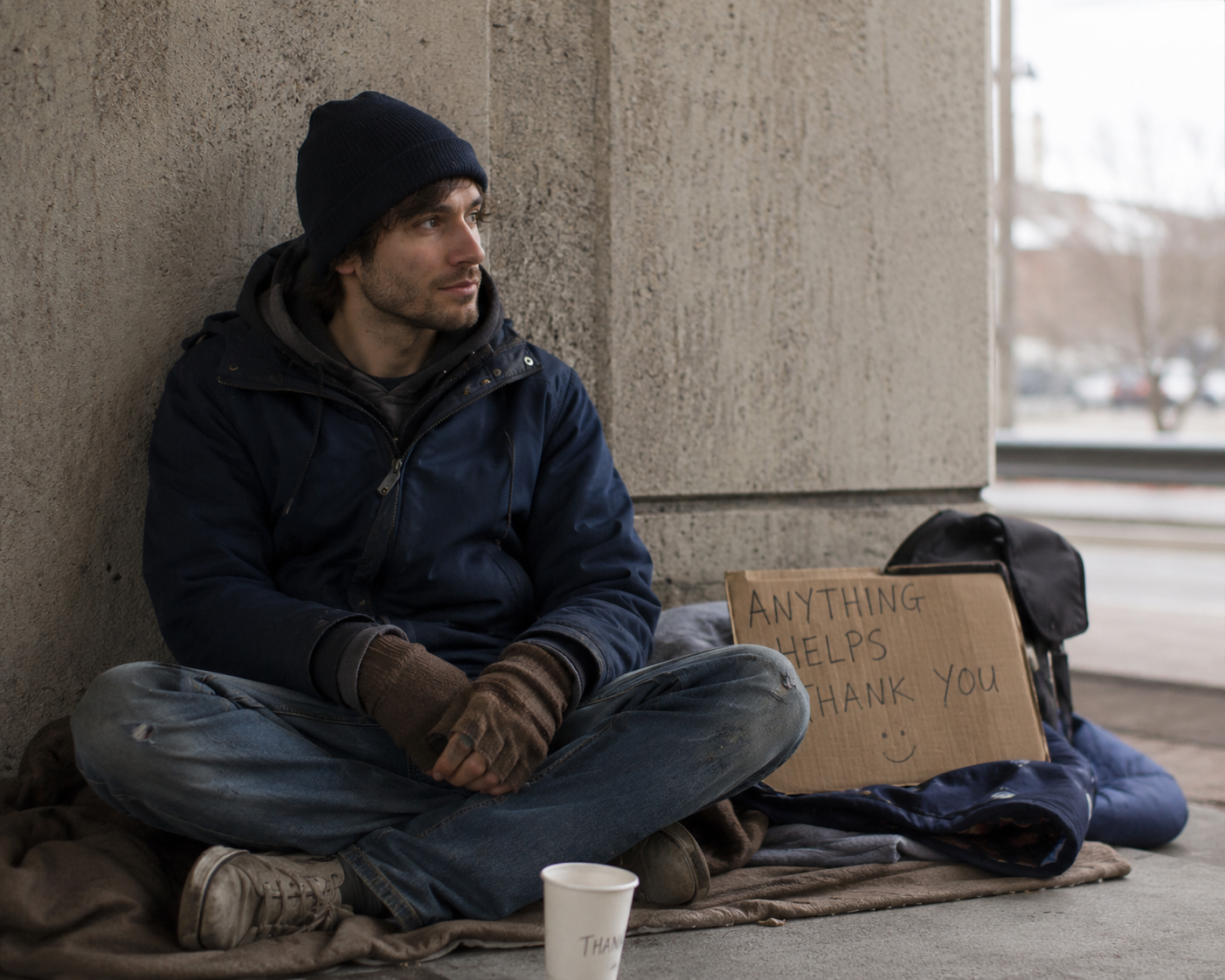
Homelessness does not have one face, one cause, or one story. It affects veterans, seniors, young adults, families with children, survivors of abuse, and hardworking individuals who simply faced circumstances they could not overcome alone.
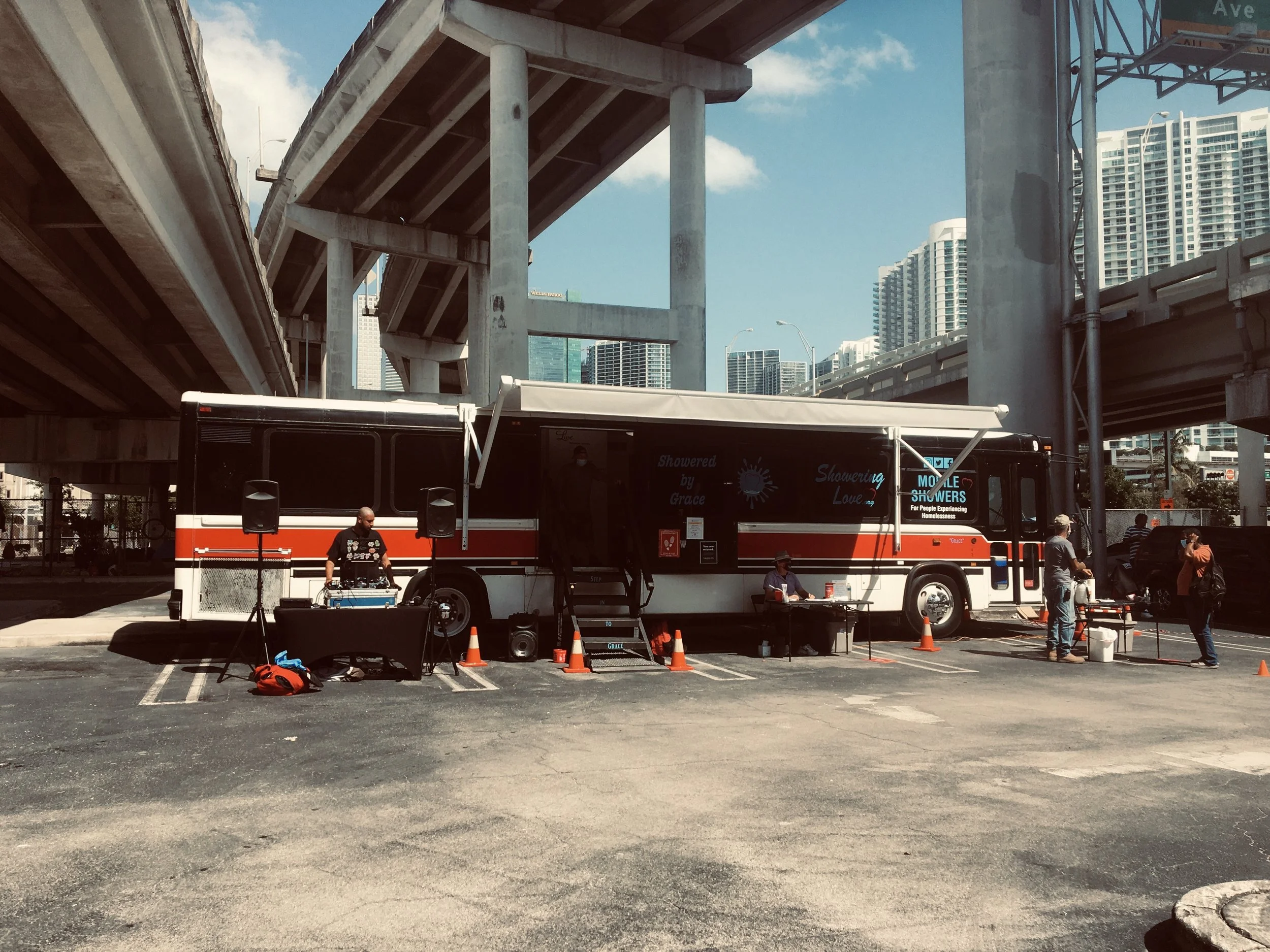
At Showering Love, we witness these realities every day. Behind every person we serve is a human being deserving of dignity, compassion, and hope—not judgment. Through mobile showers, clean clothing, hygiene supplies, and supportive outreach, we strive to restore not only cleanliness, but also confidence and human connection.
Understanding homelessness is the first step toward changing the narrative. When we replace assumptions with empathy, we create space for meaningful solutions and lasting change.
Because homelessness is not simply about lacking a home—it is often about lacking support, opportunity, and a pathway forward.
Together, we can be part of that pathway.
