
Homeless and Employment
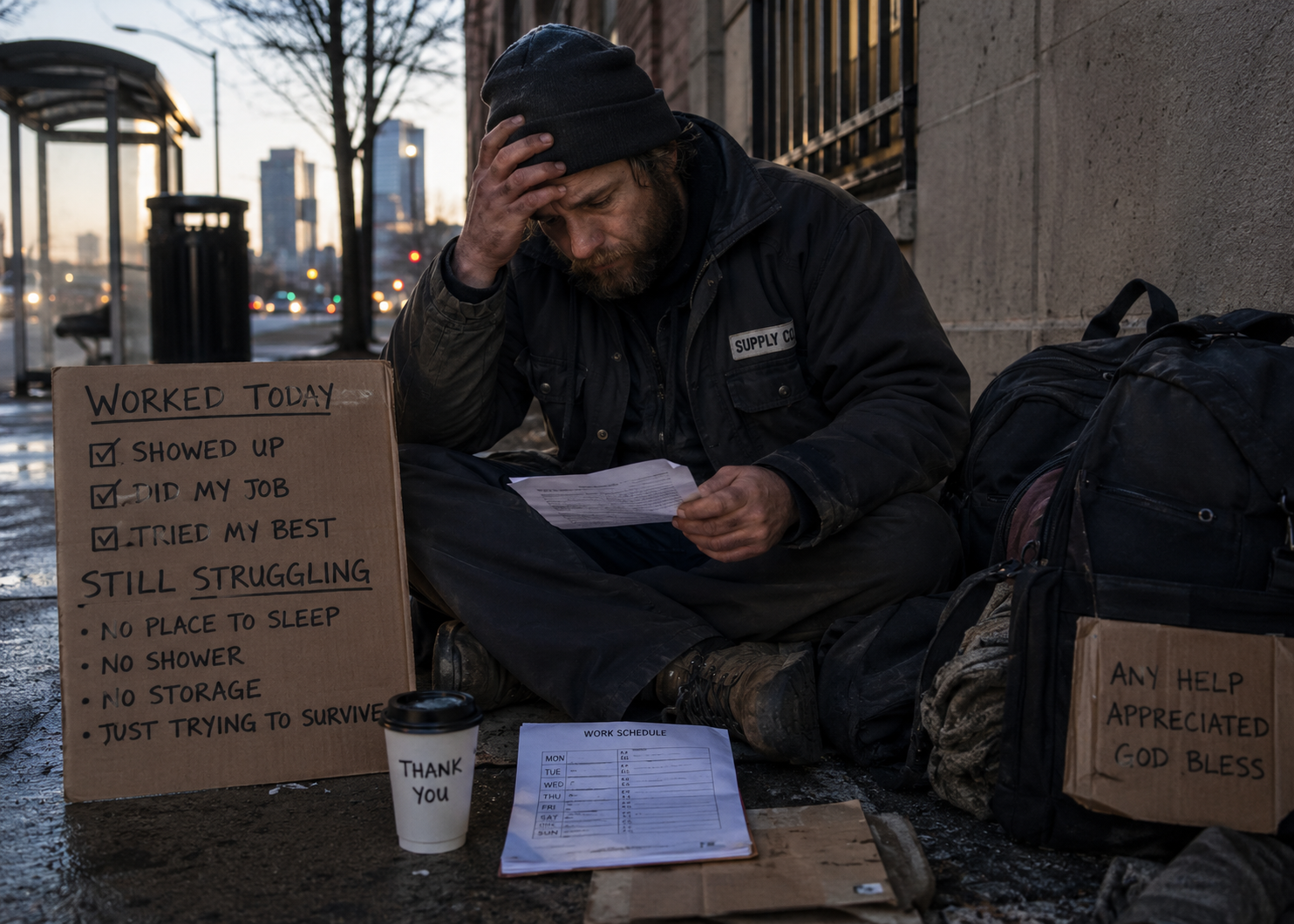
Homelessness creates overwhelming barriers to both obtaining and maintaining employment. Many people experiencing homelessness are actively searching for work, but the instability of daily survival often makes consistent employment extremely difficult. Without a safe place to sleep, reliable transportation, access to hygiene facilities, or secure storage for personal belongings, preparing for interviews and arriving to work on time can become a daily struggle.
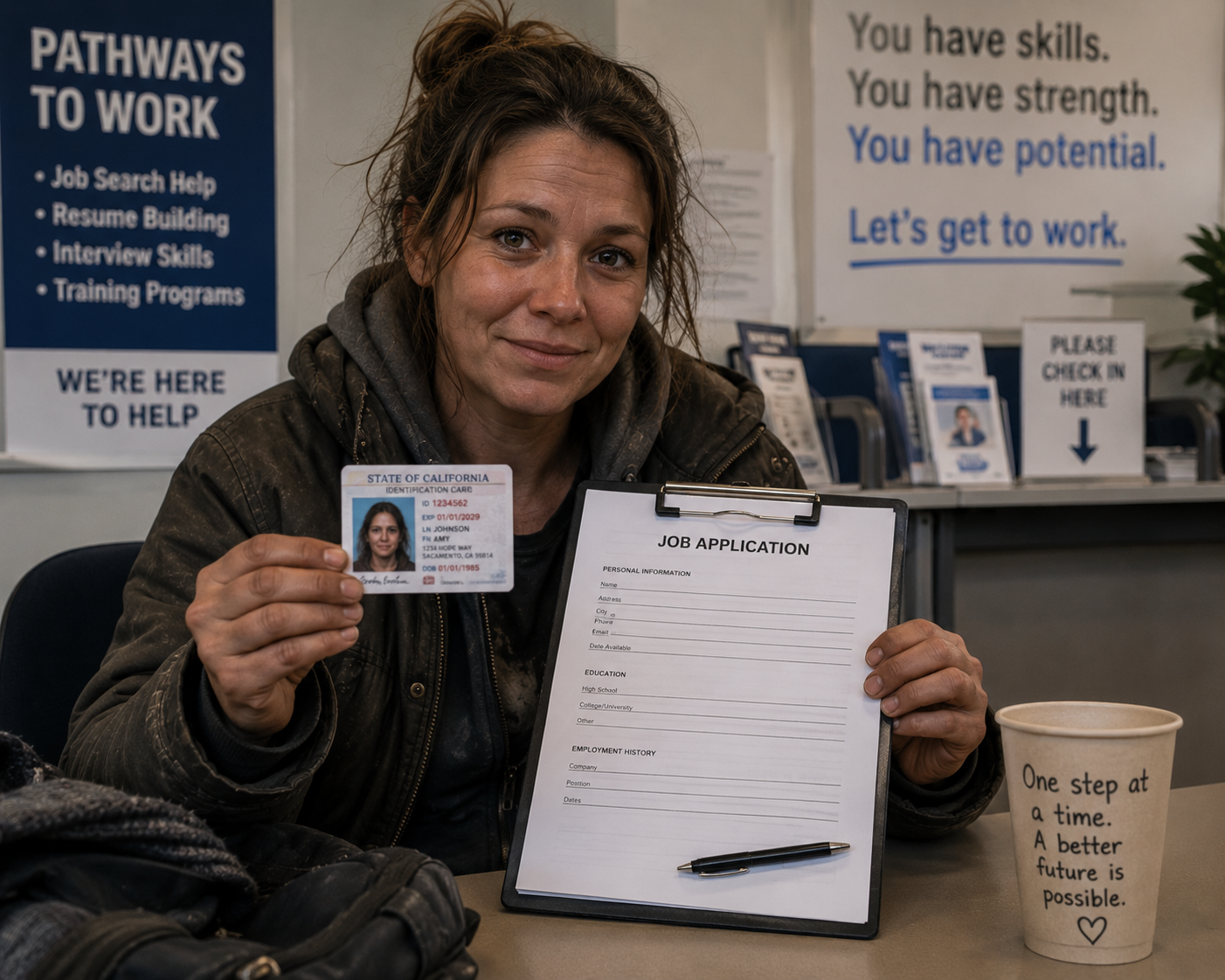
One of the biggest challenges is the lack of basic necessities that employers often take for granted. Individuals experiencing homelessness may not have access to clean clothing, showers, grooming supplies, laundry services, or a permanent address. These barriers can negatively affect confidence, appearance, communication, and the ability to complete job applications. In many cases, employers require a home address, identification, banking information, or a phone number — all of which can be difficult to maintain without stable housing.
Transportation is another major obstacle. Many people experiencing homelessness rely on public transportation, walking, or rides from others. Missed buses, long travel times, or lack of transportation funds can lead to tardiness or absences, putting jobs at risk. In addition, exhaustion from sleeping outdoors, in shelters, or in unsafe environments can impact physical health, concentration, and job performance.
Mental health and trauma also play a significant role. The stress of homelessness often leads to anxiety, depression, sleep deprivation, and emotional exhaustion. Individuals may struggle to focus on work responsibilities while also worrying about food, safety, or where they will sleep each night. Some may also face stigma or discrimination from employers who misunderstand homelessness and the challenges associated with it.
Keeping a job while homeless can be just as difficult as finding one. Without stable housing, it is hard to maintain routines, safely store uniforms or work equipment, get adequate rest, or recover from illness. Small setbacks — such as losing identification documents, having belongings stolen, or missing transportation — can quickly snowball into job loss.
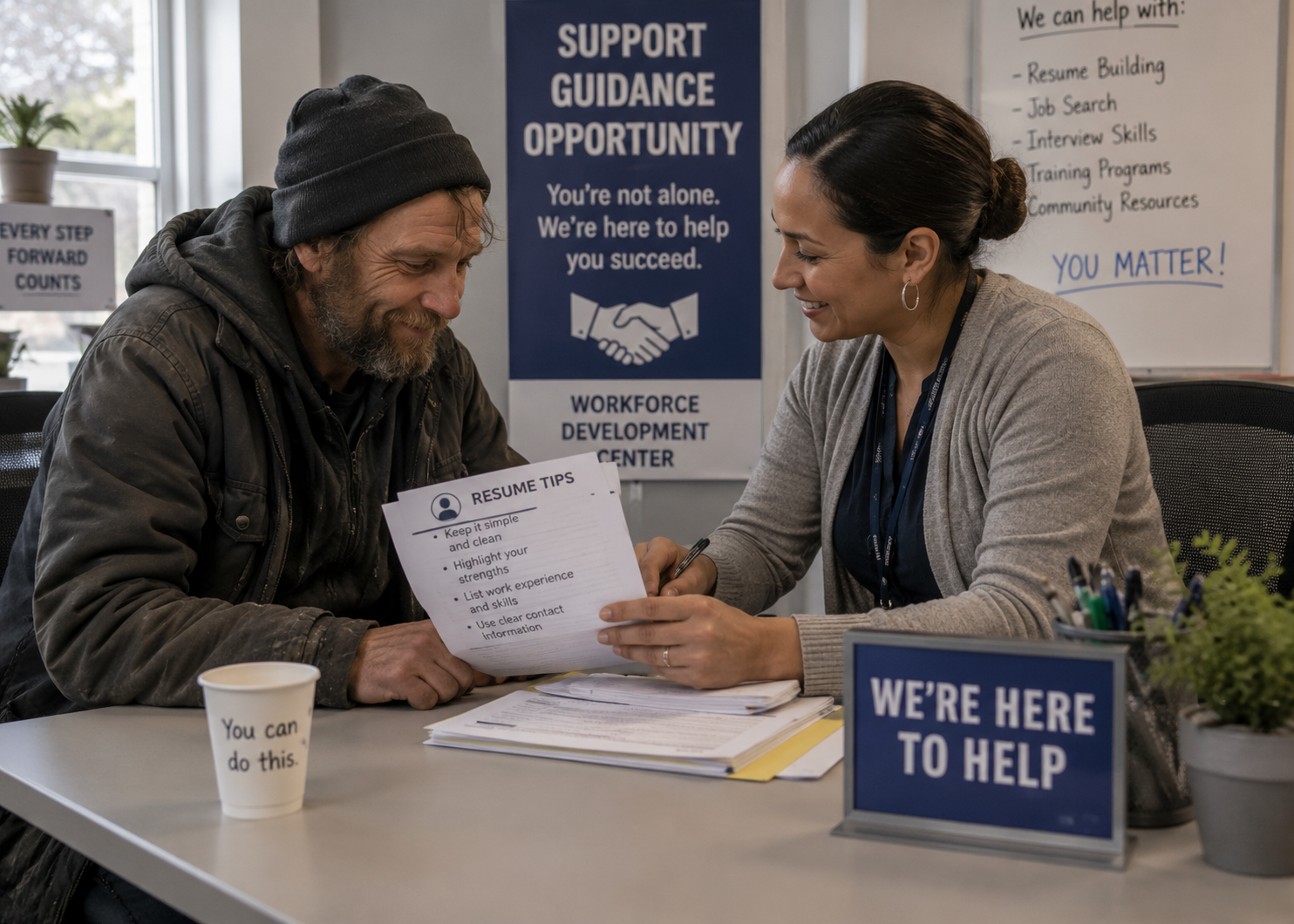
Despite these barriers, many individuals experiencing homelessness are highly motivated, hardworking, and eager for opportunities. With support services such as mobile showers, laundry programs, transportation assistance, job readiness training, case management, and transitional housing, people are often able to regain stability and successfully re-enter the workforce. Organizations like Showering Love help restore dignity and confidence by addressing immediate needs that directly impact employability and self-sufficiency.
