
A Human experience - needing a shower
What Really Happens When You Don’t Bathe for 3 Days
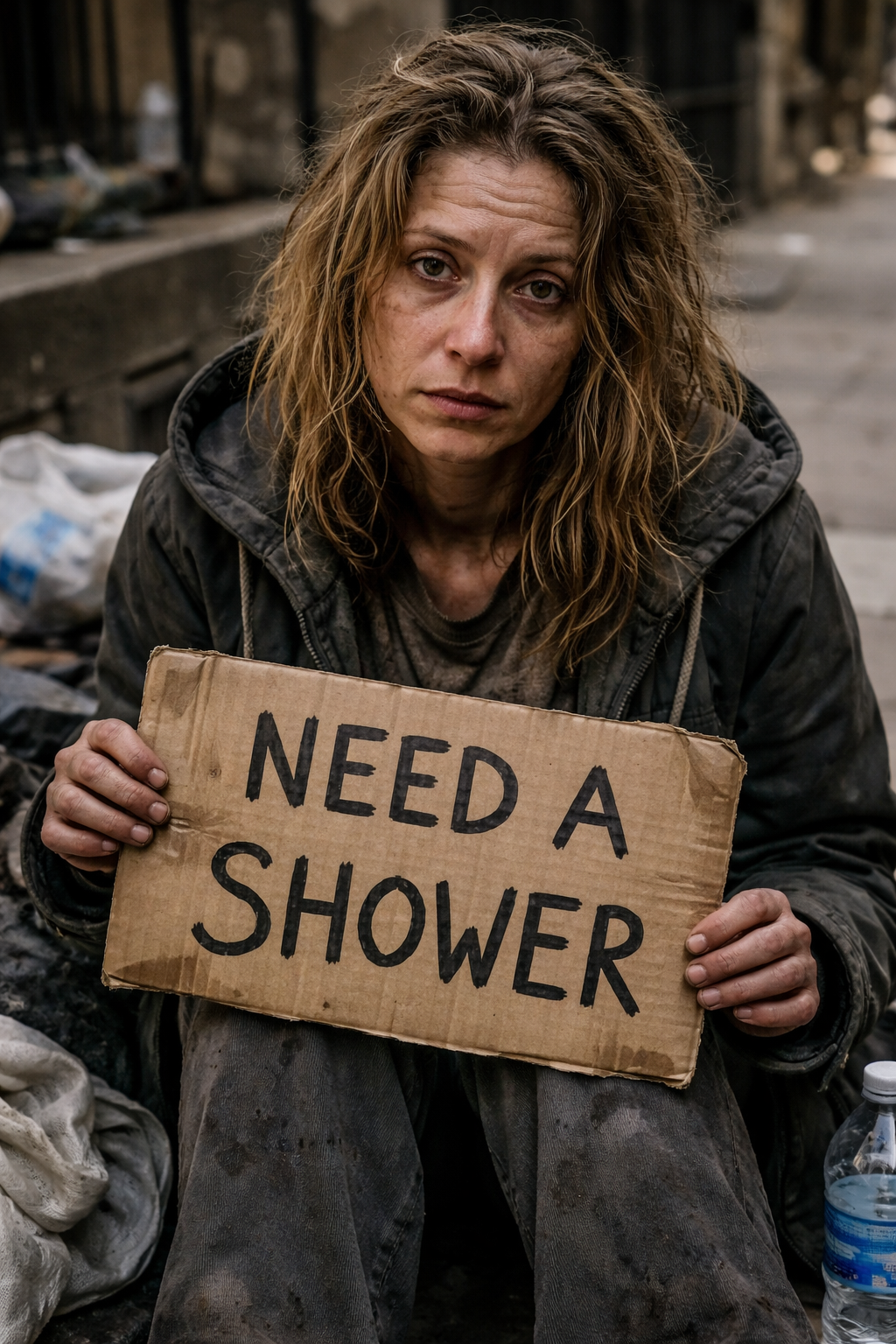
For many people, skipping a shower for a day or two might feel uncomfortable—but manageable. Life happens. You get busy. Maybe you just don’t feel like it.
But what really happens when you go three days without bathing?
And what happens when it’s not a choice?
Day 1: The Build-Up Begins
Within the first 24 hours, your body starts to accumulate sweat, oil, and bacteria. Even if you don’t see it, it’s there.
You might notice:
Slight body odor
Oily skin or hair
A general feeling of discomfort
For most, it’s temporary—and easily fixed.
Day 2: Bacteria Take Over
By the second day, bacteria begin breaking down sweat more aggressively, creating stronger odor and irritation.
At this point:
Odor becomes more noticeable
Skin may feel sticky or itchy
Pores begin to clog
Minor rashes or breakouts can appear
Still uncomfortable—but still within your control.
Day 3: More Than Just Being “Dirty”
After 72 hours without bathing, the effects go beyond surface level.
Bacteria and fungi multiply rapidly
Skin irritation increases, especially in sensitive areas
Risk of infection begins to rise
Odor becomes persistent
Mental and emotional impacts begin—embarrassment, isolation, and shame
And for many, this is just the beginning.
When Hygiene Isn’t a Choice
Imagine going not just three days—but weeks… even months… without access to a shower.
No running water.
No clean clothes.
No privacy.
This is the reality for thousands of individuals experiencing homelessness right here in our community.
At Showering Love, we serve over 10,000 unhoused individuals each year, and MANY of them are seniors—people living on fixed incomes, often around $900 a month, trying to survive rising housing costs, long shelter waitlists, and limited resources.
For them, hygiene isn’t about comfort.
It’s about survival.
A Real Story of Dignity Restored
One of our guests, Gena, shared something that has stayed with us:
“Because of you… I did. And for that I am so grateful. It was because of you that my name got put on that list for housing.”
What started as a simple shower became something bigger—a turning point.
Because when someone feels clean, something shifts:
They stand a little taller
They feel a little more confident
They begin to believe change is possible
And sometimes, that’s all it takes to take the next step forward.
The Hidden Impact of Not Bathing
Without regular access to hygiene, the consequences build quickly:
Health declines due to untreated skin conditions and infections
Job opportunities are lost due to appearance and stigma
Social isolation increases as people withdraw out of embarrassment
Self-worth erodes, making it harder to seek help
Something as simple as a shower becomes a barrier—to employment, to housing, to hope.
Why This Matters
At Showering Love, we believe hygiene is a basic human right—not a luxury.
Through our mobile shower buses, we’re not just providing showers. We’re providing:
Dignity
Respect
A fresh start
In fact, we’ve even been able to hire individuals from our own community—people who once stood in line for services and are now part of the team, working in our warehouse, outreach, and operations.
Because when you invest in people, they rise.
A Simple Act Can Change Everything
The next time you step into a shower, remember:
For someone else, that moment could mean:
The confidence to go to a job interview
The courage to reconnect with family
The first step toward getting off the streets
What feels routine to most… is life-changing for others.
How You Can Help
You can be part of restoring dignity—one shower at a time.
Support our mission
Share our story
Advocate for those without access to basic hygiene
Because everyone deserves to feel clean.
Everyone deserves to feel human.
Everyone deserves love.
